
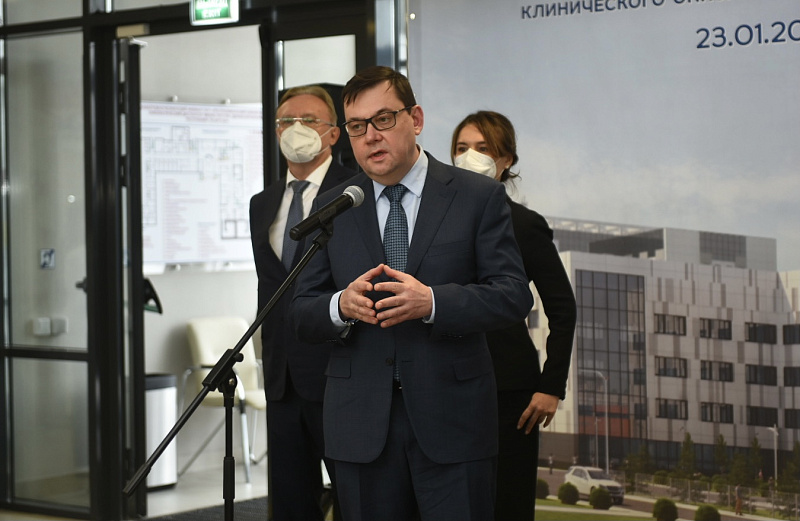
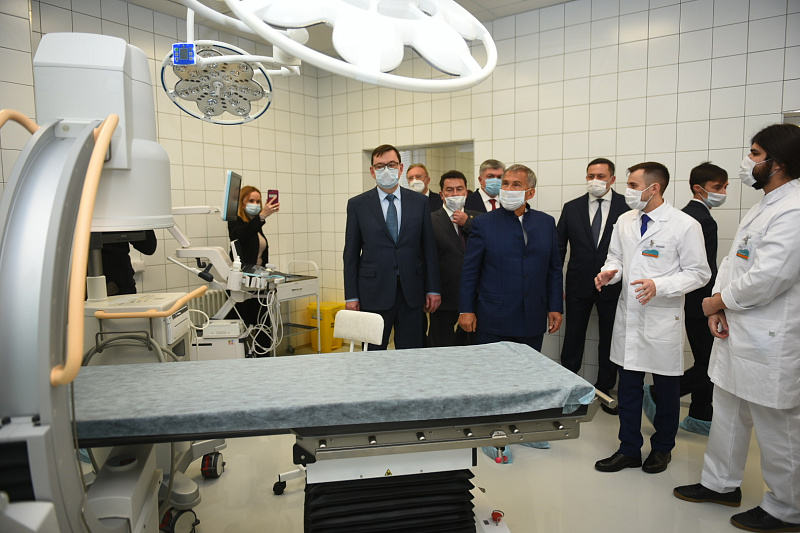
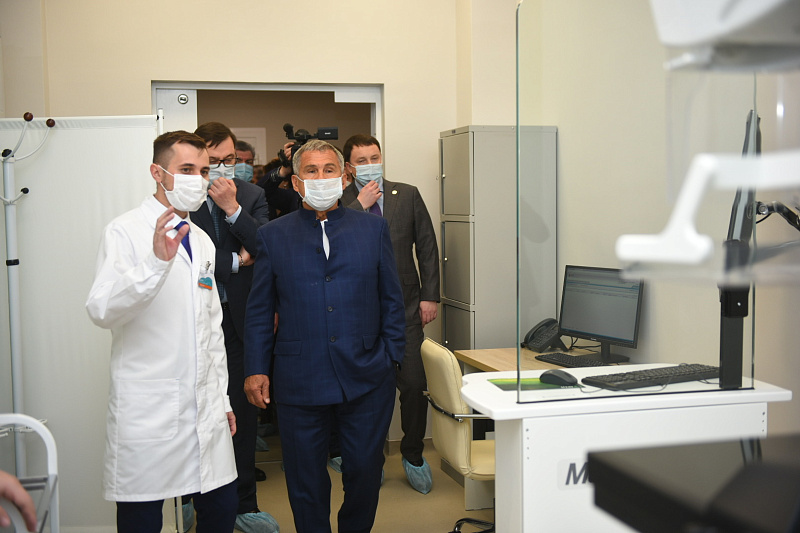
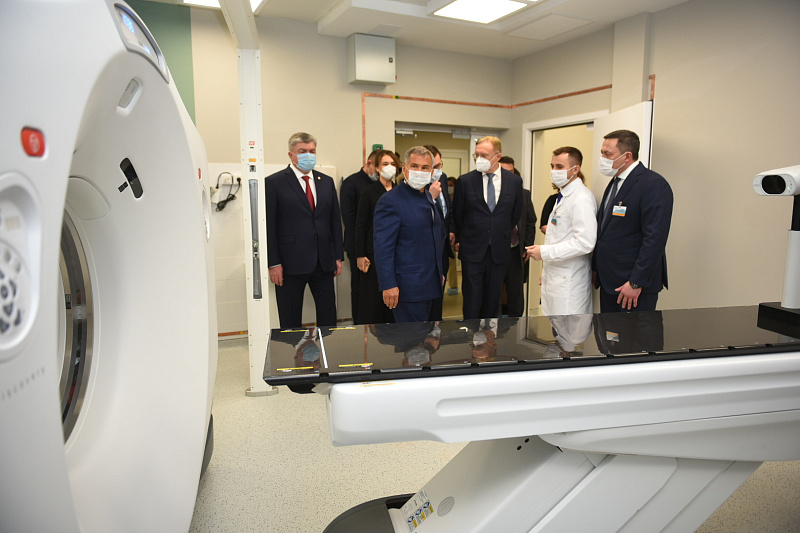
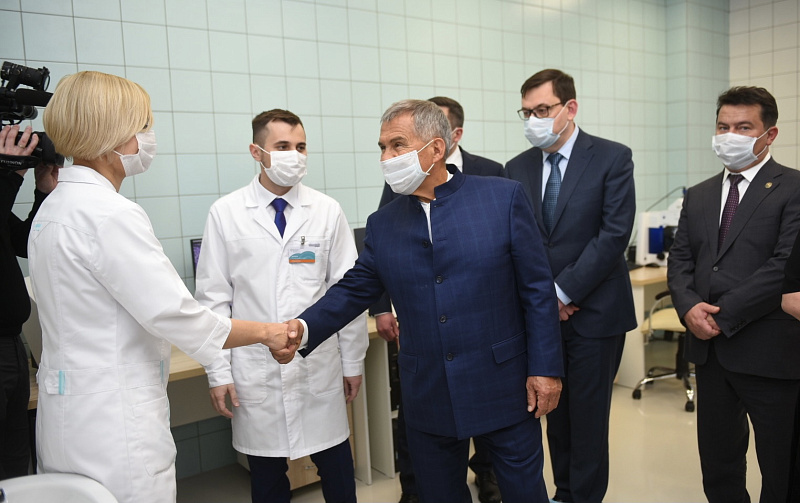
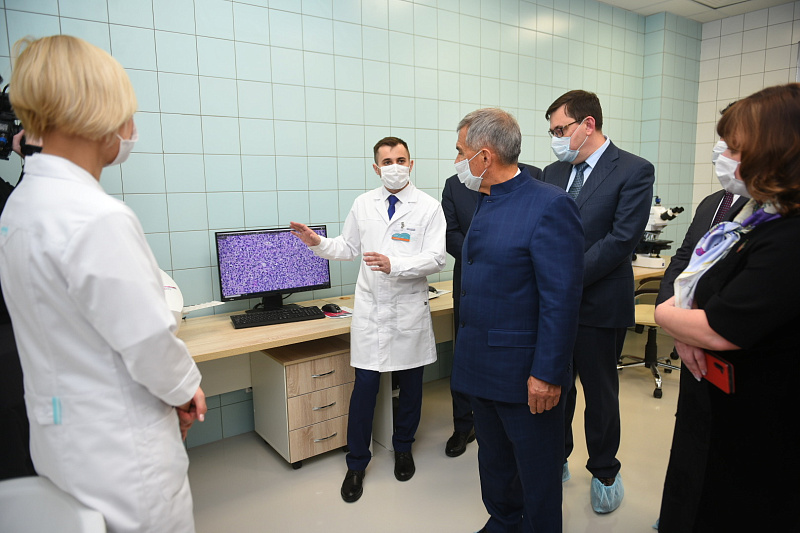
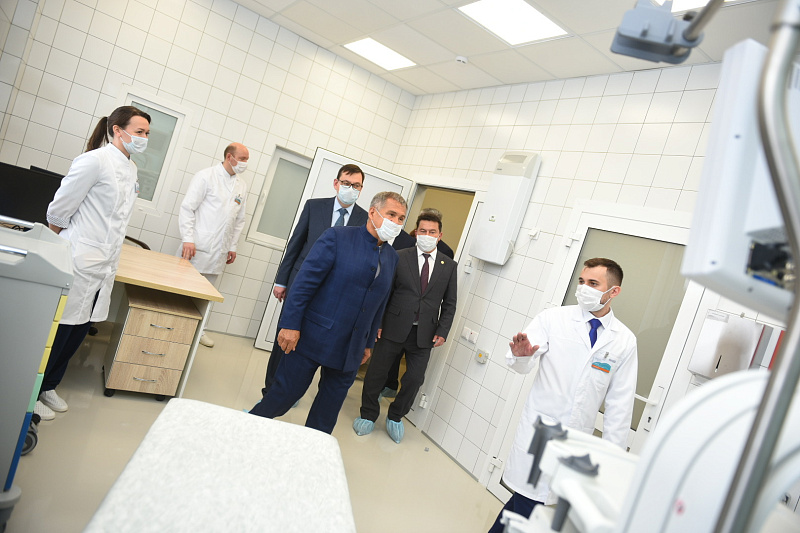
Today at A branch of the Republican Clinical Oncological Dispensary has opened in Naberezhnye Chelny. The solemn event was attended by Oleg Gridnev, Deputy Minister of Health of the Russian Federation , Rustam Minnikhanov , President of the Republic of Tatarstan, and Nail Magdeev, Mayor of Naberezhnye Chelny.
Welcoming the participants of the event, Oleg Gridnev said that the medical center was created within the framework of the healthcare development program and within the framework of the "Fight against Oncological Diseases" project. "The ideology of the clinic's creation includes a chain and relationship between the outpatient part of oncological care and inpatient. Therefore, it is no coincidence that this dispensary has diagnostic departments of both outpatient and inpatient nature. The entire modern set of requirements is the basis of this dispensary," he stated, thanking the doctors for their work.
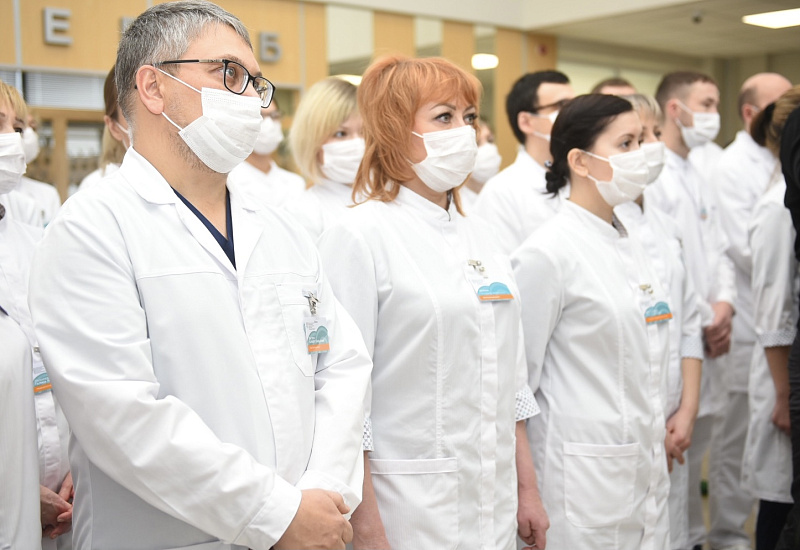
Rustam Minnikhanov stressed that a modern facility has been built in Naberezhnye Chelny that meets the highest medical requirements. "It is very important that a highly professional team is selected here. I would like to take this opportunity to thank the healthcare workers, especially those involved in the pandemic. Thank you for your hard work," the head of the republic said, congratulating everyone on the opening of the dispensary.
"On behalf of more than a million residents of Zakamye, let me say a huge thank you to the President of our country, Vladimir Vladimirovich Putin, the President of the republic, Rustam Nurgalievich Minnikhanov, the deputy of the State Duma, Alfiya Gumarovna Kogogina, and the Ministry of Health of the Russian Federation for the cancer center. What has been done will serve for the benefit of our country, our republic and our beautiful city of Naberezhnye Chelny," Nail Magdeev said in turn.
Note that The Naberezhnye Chelny branch provides oncological care to the population of 10 municipal districts of the Northeastern region of the Republic of Tatarstan, numbering more than 1.2 million people.
The construction of the facility was made possible thanks to the support of the Government of the Russian Federation and The Government of the Republic of Tatarstan. According to the federal targeted investment program, financing amounted to 48%, republican co -financing amounted to 52%. The cost of the facility is about 2 billion 300 million rubles.
As part of the modernization of the oncological dispensary, outpatient and radiological centers were built, designed for 100 thousand visits and 30 thousand radiotherapy sessions per year, respectively.
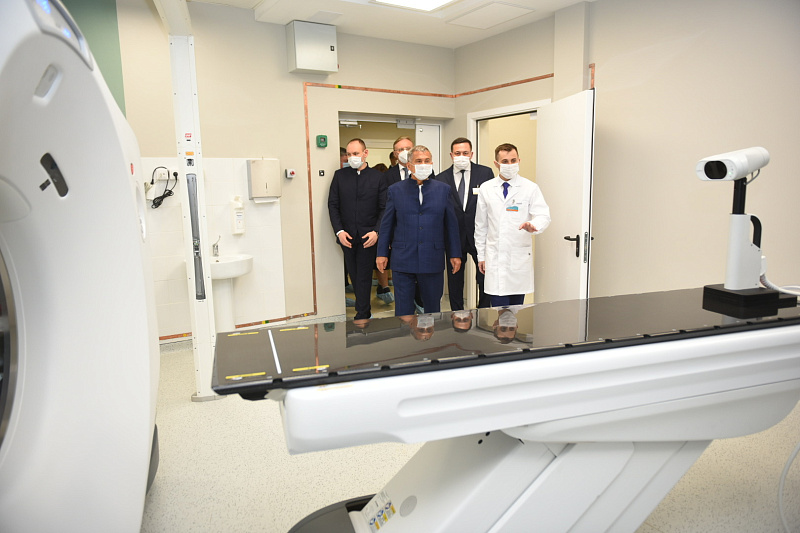
On 1 An on-site palliative care service is located on the clinic floor, designed to provide 1000 palliative care patients per year. Radiation diagnostics is also located there – modern equipment for the diagnosis of neoplasms: 64 slice X-ray computed tomography, high -field magnetic resonance imaging with a capacity of 1.5 Tesla. This will allow diagnostic tests to be performed in the same facility. Also on the 1st floor there is a radiotherapy department (2 radiation accelerators, a planner, a brachytherapy device, close-focus X-ray therapy) and a state-of-the-art operating room with an intraoperative (surgical) X-ray system (C-arc) for interventional methods of diagnosis and treatment of malignant neoplasms.
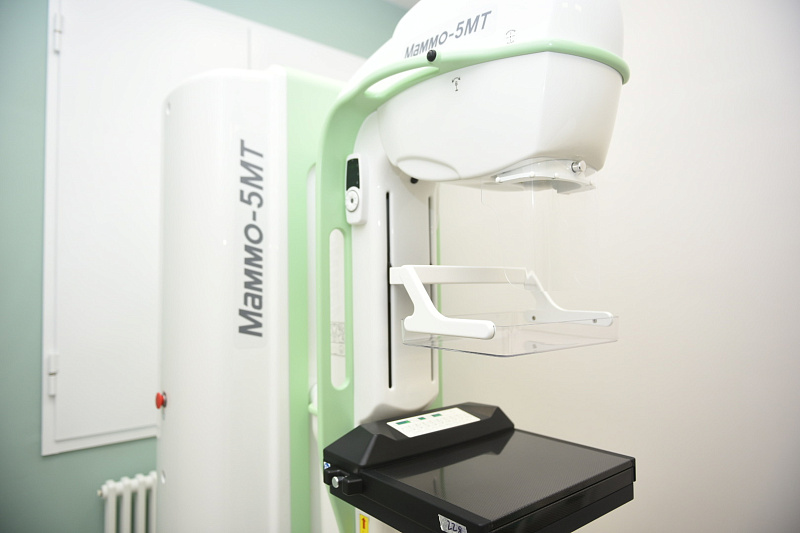
On the 2nd floor there is an outpatient clinic for specialists in rooms combined with manipulation rooms. Each oncologist's office (10 rooms) is equipped with modern ultrasound machines, which will allow patients to have ultrasound scans directly in the doctors' offices, shorten examination times, prescribe treatment, and minimize patient movement inside the building.
The oncodermatologist's office has modern equipment with automatic skin scanning technology using artificial intelligence for comparison with the base of neoplasms in people with an already established diagnosis of skin cancer. This will allow you to quickly determine the presence of malignant neoplasms of the skin in the early stages.
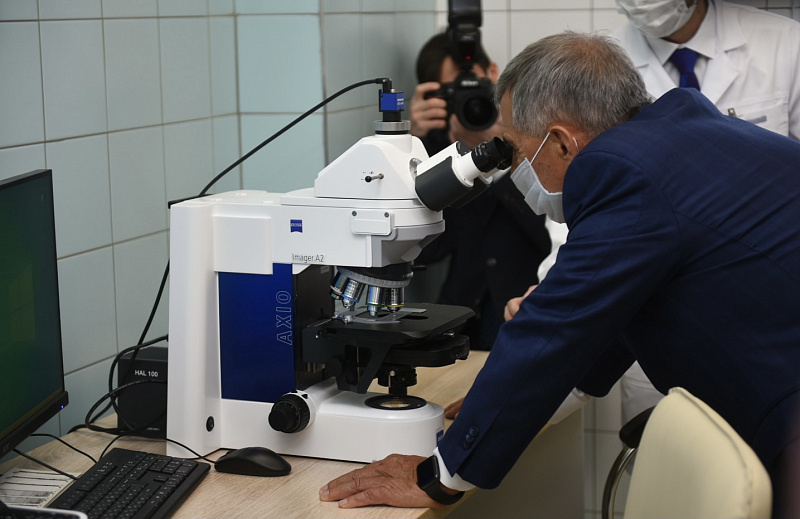
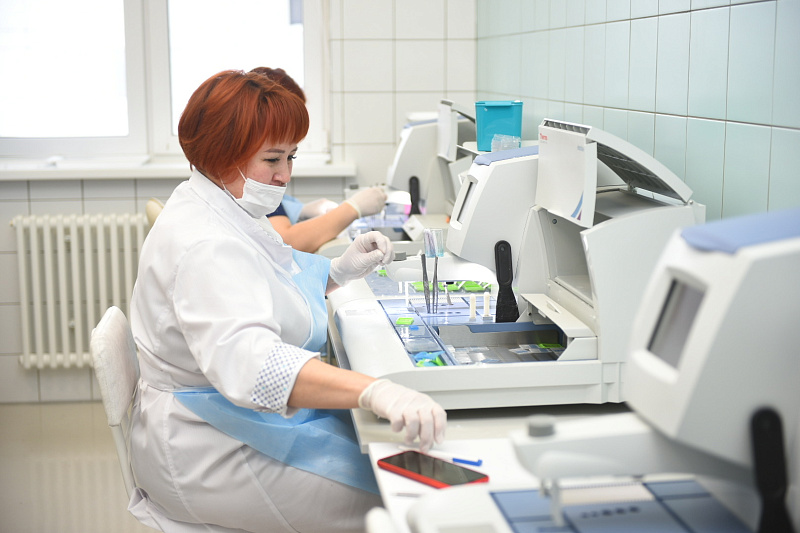
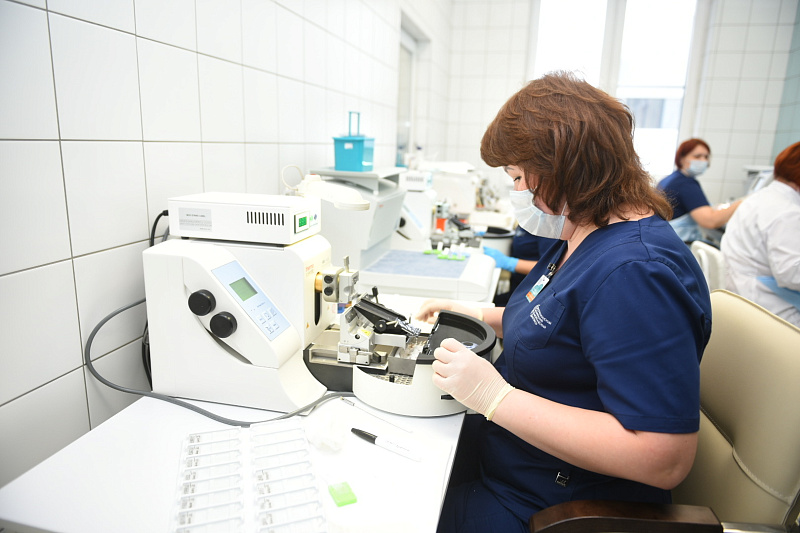
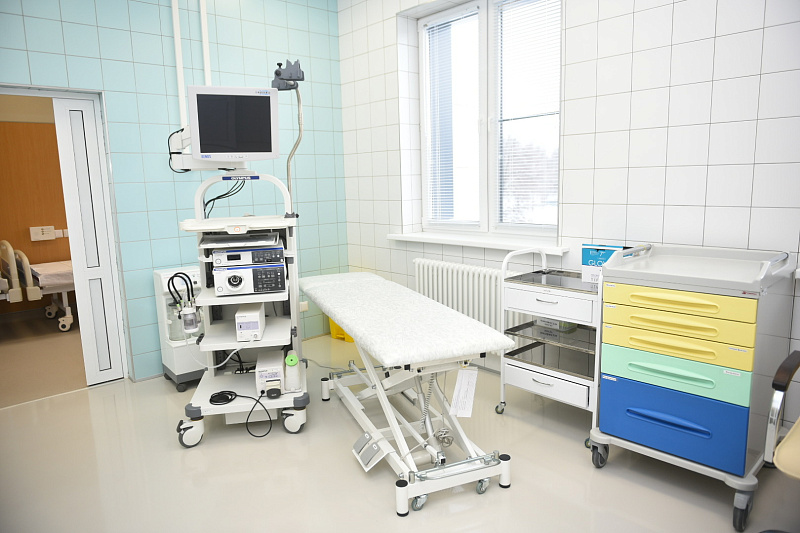
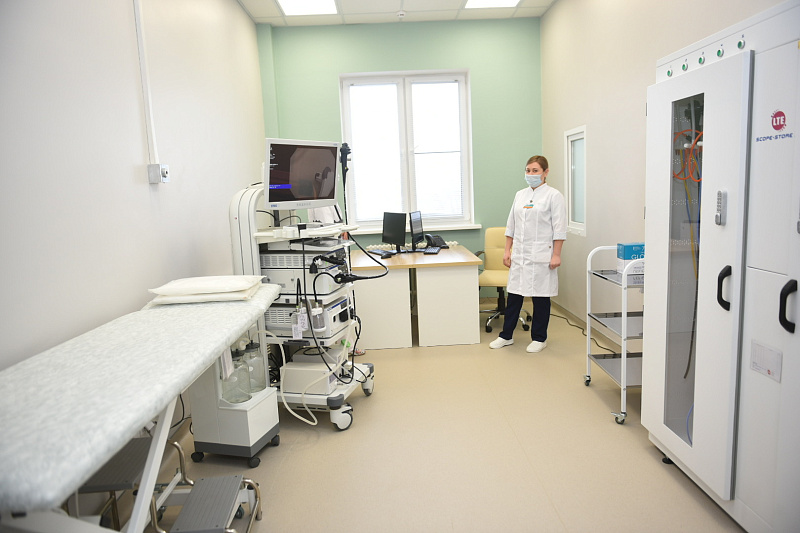
On the 3rd floor there is a morphological laboratory with the latest automated equipment for immunocyte-histochemical analysis to determine the sensitivity of cancer cells to drug therapy, with the possibility of conducting molecular genetic studies. There is also an endoscopic department for conducting studies of the gastrointestinal tract and bronchoscopy of peripheral lung formations: 3 gastroscopy rooms, 2 colonoscopy rooms with awakening rooms, 1 bronchoscopy room. The work of the department will be aimed both at working with patients with an established diagnosis of ZNO, and with conditionally healthy citizens as part of the second stage of medical examination of certain groups of the adult population.
A passage to the BSMP building is organized from the 3rd floor. Thus, the time for patient transportation is significantly reduced when it is necessary to transfer comorbid patients between clinics.
On the 4th floor there is an operating unit, which includes two operating rooms with modern 3-D stands, an intensive care unit for 4 beds.
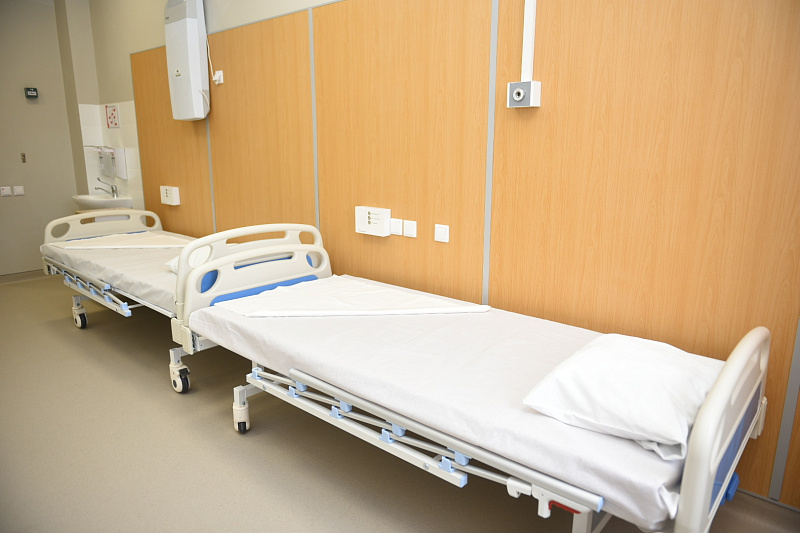
There is an 18-bed oncology department on the floor. One of the modern treatment methods used in the department will be intra-abdominal hyperthermic chemotherapy for the treatment of patients with peritoneal carcinomatosis.
The possibility of dividing patient flows depending on the changing epidemiological situation is another relevant solution implemented in the clinic. The 7 entrances and exits provided from the clinic make it possible to completely isolate the flows of primary patients and persons registered at the dispensary for acute respiratory viral infections. The possibility of crossing patient flows during the implementation of various medical and technological processes of the clinic's activities is also excluded. In modern epidemiological realities, this is especially important.
Thus, the entire technological cycle for the provision of specialized oncological care: preventive work, diagnostics, specialized treatment, and follow-up are concentrated in one place. This will significantly reduce the time needed to establish a diagnosis, increase its accuracy, and begin specialized treatment as quickly as possible.